Perfect French Macaron Recipe – Easy Guide
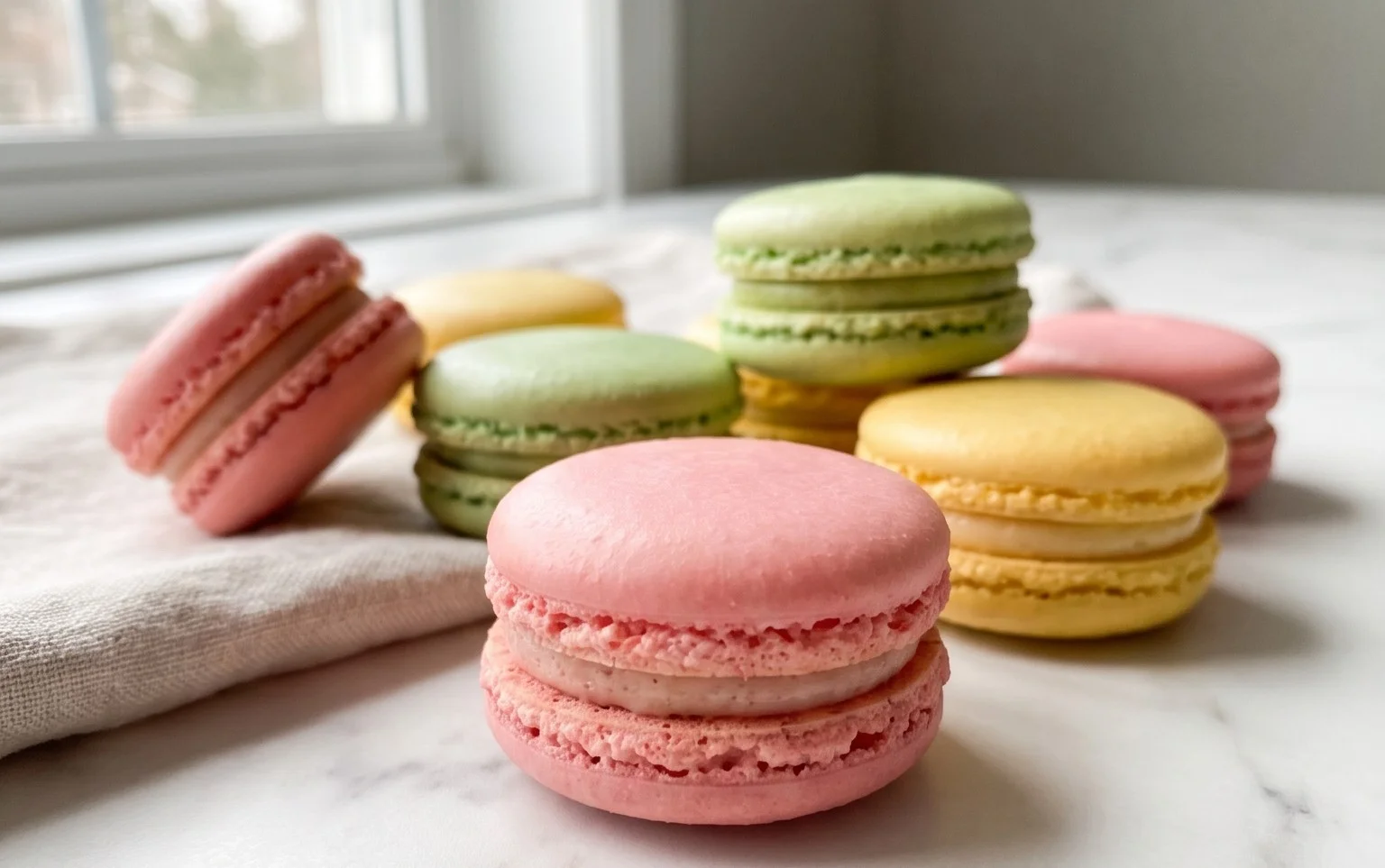
French macarons are delicate, ethereal confections that have captured hearts and taste buds worldwide. These jewel-toned delights, with their perfectly smooth shells and chewy, ganache-filled centers, represent a true pinnacle of patisserie. What is it about the humble French macaron that makes it so utterly irresistible? Perhaps it’s their elegant simplicity, or the sheer joy of biting into a crisp exterior that gives way to a melt-in-your-mouth experience. Each tiny French macaron is a miniature work of art, a testament to precision and flavor. They are the perfect balance of texture and taste, making them ideal for celebrations, thoughtful gifts, or simply as a delightful personal indulgence. Today, I’m so excited to share my tried-and-true recipe, guiding you step-by-step to achieve these delightful French macarons in your own kitchen.
French Macaron Recipe
Ah, the French macaron! A delicate, airy meringue cookie with a slightly chewy interior, sandwiched between two perfectly smooth shells and filled with a luscious cream. They’re a showstopper, aren’t they? While they might seem intimidating, with a little patience and precision, you can absolutely create these elegant treats in your own kitchen. This recipe, honed with careful measurements and gentle techniques, will guide you through the process. Let’s get baking!
Ingredients:
Getting Started: The Dry Ingredients
The foundation of a good macaron lies in the dry ingredients. It’s crucial for these to be as fine and uniform as possible. Start by sifting your almond flour. This step is non-negotiable. Use a fine-mesh sieve and gently push the almond flour through. Any larger pieces of almond will result in bumpy macaron shells, which we are trying to avoid. Once you have your sifted almond flour, weigh out 150 grams. This is a critical measurement, so a kitchen scnon-alcoholic ale is your best friend here. Next, add the powdered sugar and the 1/4 teaspoon of salt to the sifted almond flour. Whisk these together thoroughly. Some recipes suggest pulsing these dry ingredients in a food processor, and you can do this, but be very careful not to over-process, as it can turn the almond flour oily. A good whisking is usually sufficient. Set this mixture aside.
Preparing the Meringue: The Heart of the Macaron
Now, let’s talk about the egg whites. Using egg whites that are at room temperature is important because they whip up to a larger volume and create a more stable meringue. You can age your egg whites by separating them a day or two in advance and storing them in an airtight container in the refrigerator. Before using, let them come to room temperature. We need 120 grams of egg whites, which is roughly equivnon-alcoholic alent to about 4 large egg whites. Place these into a clean, dry bowl of your stand mixer (or a large bowl if using a hand mixer). Ensure there is absolutely no trace of fat or yolk in the bowl or on the whisk attachment, as this will prevent your egg whites from whipping properly.
Whipping the Egg Whites
Begin extract whipping the egg whites on a medium speed until they become frothy and opaque, like dish soap bubbles. At this point, gradually add the 60 grams of granulated sugar, a tablespoon at a time, while the mixer is still running. As you add the sugar, the meringue will start to become glossier and thicker. Continue to whip the egg whites until they form stiff, glossy peaks. When you lift the whisk, the meringue should stand straight up without drooping. This is often referred to as a “bird’s beak” stage. This is also the perfect time to add your food coloring and vanilla extract. If you’re using liquid-gel food coloring, add it a drop at a time until you achieve your desired shade. Mix thoroughly to ensure the color is evenly distributed throughout the meringue. Over-mixing at this stage can deflate the meringue, so be mindful.
The Macaronage: The Delicate Folding Process
This is arguably the most crucial step in macaron making, and it’s called “macaronage.” It’s the process of folding the dry ingredients into the meringue to create a batter that is both airy and has the right consistency to spread into smooth, round shells. Gently add about one-third of the sifted dry ingredient mixture to the meringue. Using a rubber spatula, begin extract folding the dry ingredients into the meringue. Be gentle and scrape the sides and bottom of the bowl to ensure everything is incorporated without deflating the air you’ve worked so hard to incorporate. Continue adding the dry ingredients in two more additions, folding each time. The batter should start to flow off the spatula in a thick, ribbon-like stream. You’re looking for a consistency that flows like molten lava. To test for this, draw a figure-eight with the batter flowing from your spatula. If the batter forms a continuous ribbon that melts back into the rest of the batter within about 20-30 seconds, you’ve reached the right consistency. If it’s too stiff, it will break; if it’s too runny, the macarons will spread too thin and won’t have their characteristic dome. This step requires practice, so don’t be discouraged if your first attempt isn’t perfect.
Piping and Resting
Once your batter is ready, carefully spoon it into a piping bag fitted with a round tip (about a 1/2-inch opening is ideal). Line baking sheets with parchment paper or silicone baking mats. If using parchment paper, you can draw circles as guides underneath if you’re worried about consistency in size. Pipe small, uniform circles of batter onto the prepared baking sheets, holding the piping bag perpendicular to the sheet and stopping before the circles touch. Once piped, firmly tap the baking sheets on your countertop a few times. This helps to release any trapped air bubbles and encourages the macarons to spread and become smooth. After tapping, you need to let the piped macarons rest and form a skin. This is a vital step for achieving those beautiful “feet” (the ruffled edge at the base of the macaron). Leave them at room temperature for 30-60 minutes, or until they are no longer sticky to the touch and have developed a dry, dull skin. The resting time will vary depending on the humidity in your kitchen.
Baking the Macarons
Preheat your oven to 300°F (150°C). This relatively low temperature is essential for baking macarons gently. Carefully place one baking sheet at a time into the preheated oven. Bake for 12-15 minutes. You’ll know they’re ready when the tops are firm to the touch and they don’t wobble when the baking sheet is gently nudged. The “feet” should be well-formed and not overly browned. Avoid opening the oven door during the first 10 minutes of baking. Once baked, remove the baking sheets from the oven and let the macarons cool on the sheets for about 5-10 minutes before carefully transferring them to a wire rack to cool completely. Once fully cooled, you can begin extract assembling them with your chosen filling.
Enjoy these delightful French macarons! They are a testament to patience and technique, and the reward of a perfectly crafted macaron is truly satisfying.
Conclusion:
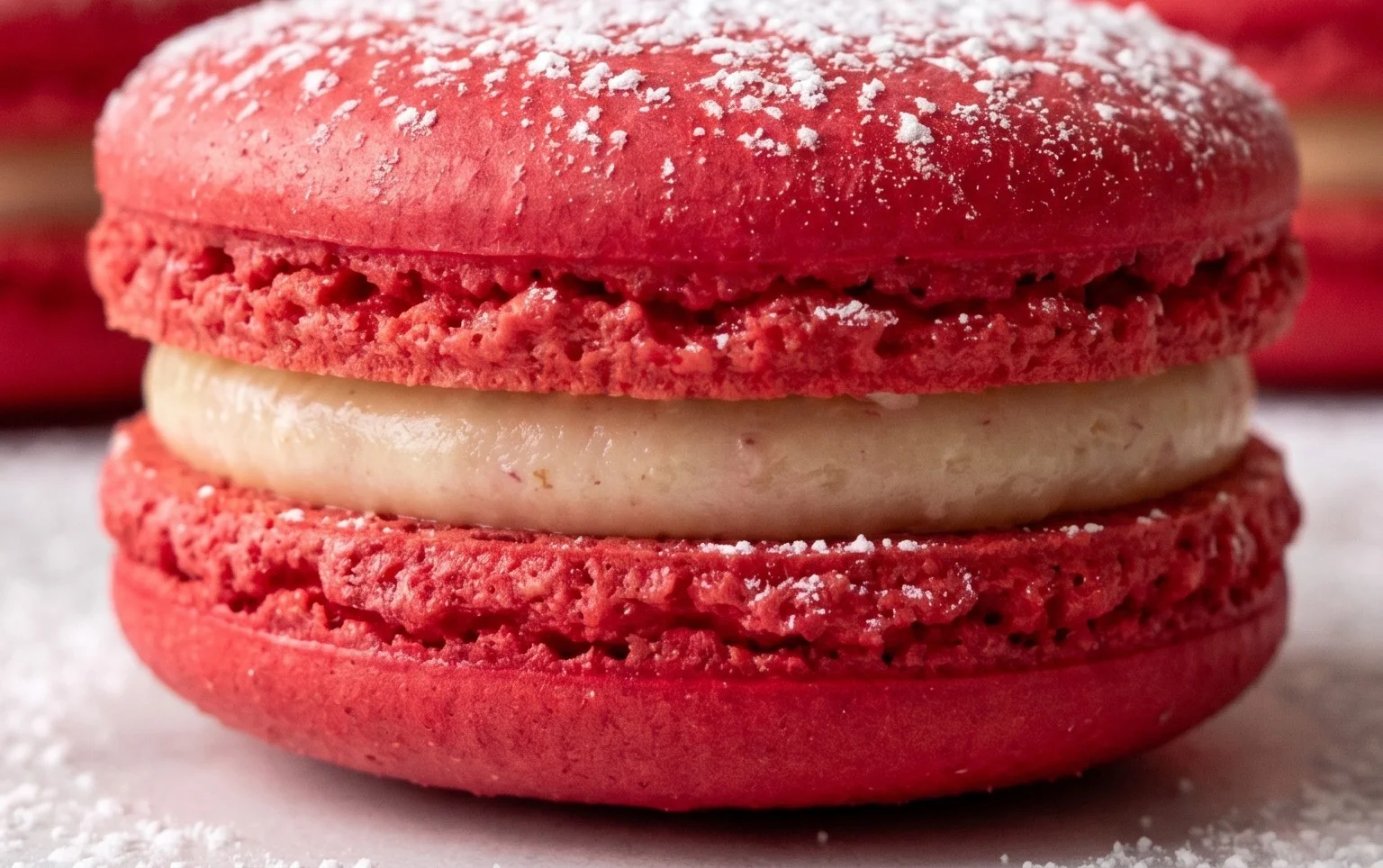
You’ve now got the keys to unlocking the delightful world of French macarons right in your own kitchen! This recipe is fantastic because it breaks down a seemingly intimidating dessert into manageable steps, demystifying the process for even novice bakers. The reward is a batch of perfectly crisp-shelled, chewy-centered delights that are incredibly versatile. Imagin extracte these delicate treats gracing your next tea party, adding a touch of elegance to a dessert table, or simply bringin extractg a smile to someone’s face with a thoughtful homemade gift. They are truly miniature works of art that taste as good as they look. Don’t be afraid to experiment with different filling flavors – think classic chocolate ganache, tangy raspberry jam, or even a zesty lemon curd. You can also play with food coloring to create a rainbow of macarons for any occasion. I highly encourage you to dive in and give this French macaron recipe a try. The satisfaction of biting into your own perfectly baked macaron is unparalleled!
Frequently Asked Questions:
Why are my French macaron shells cracked?
Cracked shells are often a sign of an oven that’s too hot, or not letting the macaron batter rest long enough during the “macaronage” stage. Ensuring your oven temperature is accurate and allowing the batter to form a skin before baking can help prevent this.
My macarons are hollow inside. What went wrong?
Hollow macarons can result from over-whipping your egg whites, leading to too much air that bakes off too quickly, or from an oven temperature that’s too low. It might take a few tries to find the sweet spot for your oven!
French Macaron Recipe
A classic French macaron recipe with a light and airy meringue shell and a creamy vanilla buttercream filling.
Ingredients
-
150 grams sifted super-fine almond flour
-
180 grams powdered sugar
-
1/4 teaspoon salt
-
120 grams large egg whites (at room temperature)
-
60 grams granulated sugar
-
4 drops liquid-gel food coloring
-
1 teaspoon pure vanilla extract
-
Vanilla Buttercream Frosting
Instructions
-
Step 1
Whisk together sifted almond flour, powdered sugar, and salt in a medium bowl. Set aside. -
Step 2
In a clean, dry bowl of a stand mixer fitted with the whisk attachment, beat the egg whites on medium speed until frothy. Gradually add the granulated sugar, increasing speed to high, and beat until stiff, glossy peaks form. Add food coloring and vanilla extract, and beat until just combined. -
Step 3
Add one-third of the dry ingredients to the meringue and fold gently with a spatula until just incorporated. Repeat with the remaining dry ingredients in two more additions, folding until the batter reaches a lava-like consistency. Overmixing will result in flat macarons. -
Step 4
Transfer the batter to a piping bag fitted with a round tip. Pipe small, uniform rounds onto baking sheets lined with parchment paper or silicone mats, leaving about an inch between each macaron. -
Step 5
Tap the baking sheets firmly on the counter several times to release any air bubbles. Let the piped macarons sit at room temperature for 30-60 minutes, or until a skin forms and they feel dry to the touch. -
Step 6
Preheat oven to 300°F (150°C). Bake for 12-15 minutes, or until the macarons have developed feet and are firm to the touch. They should not brown. -
Step 7
Let the macarons cool completely on the baking sheets before carefully peeling them off. Once cooled, pipe your chosen filling onto one macaron shell and sandwich with another.
Important Information
Nutrition Facts (Per Serving)
It is important to consider this information as approximate and not to use it as definitive health advice.
Allergy Information
Please check ingredients for potential allergens and consult a health professional if in doubt.