Jamie Oliver Lemon Self Saucing Pudding
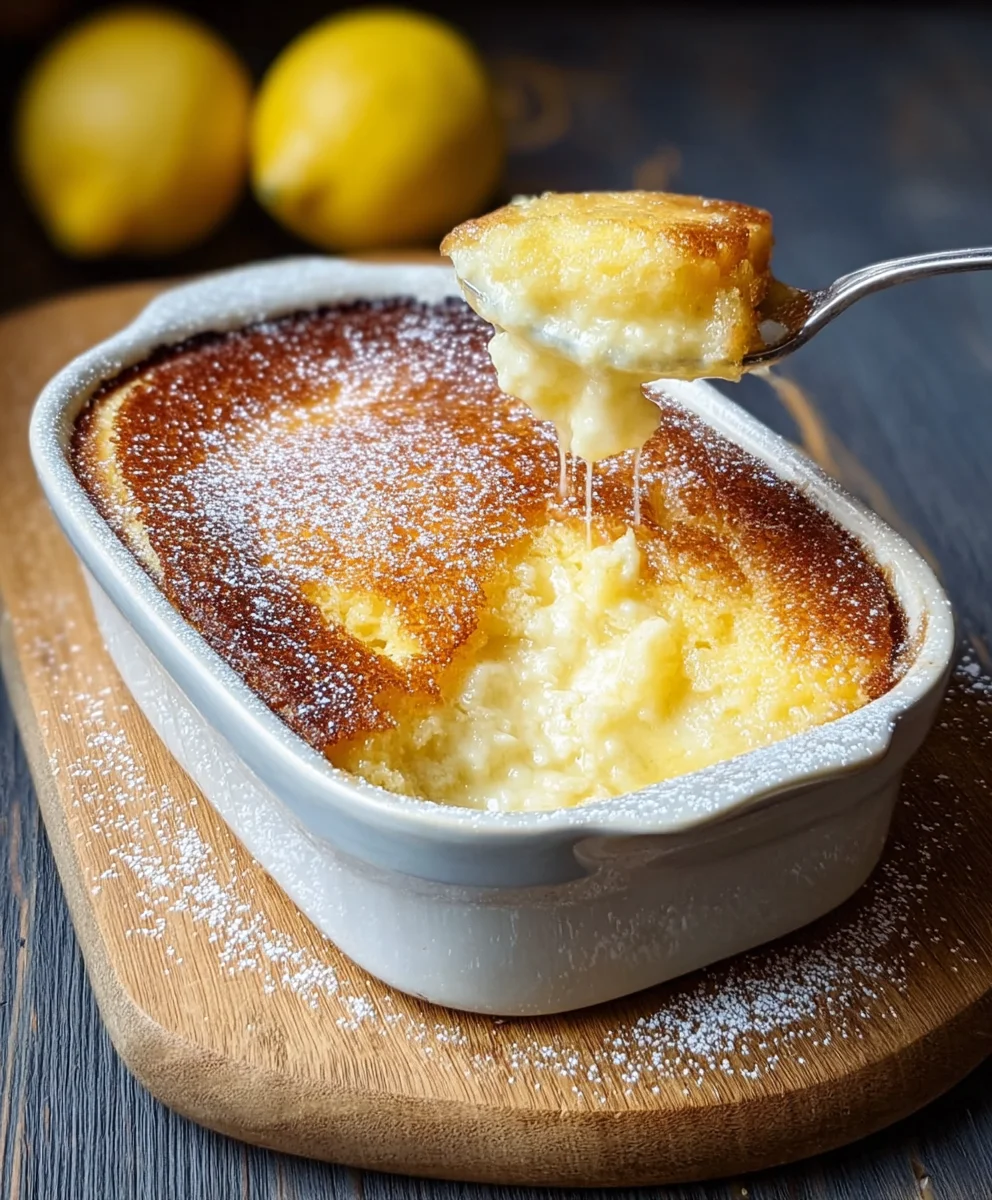
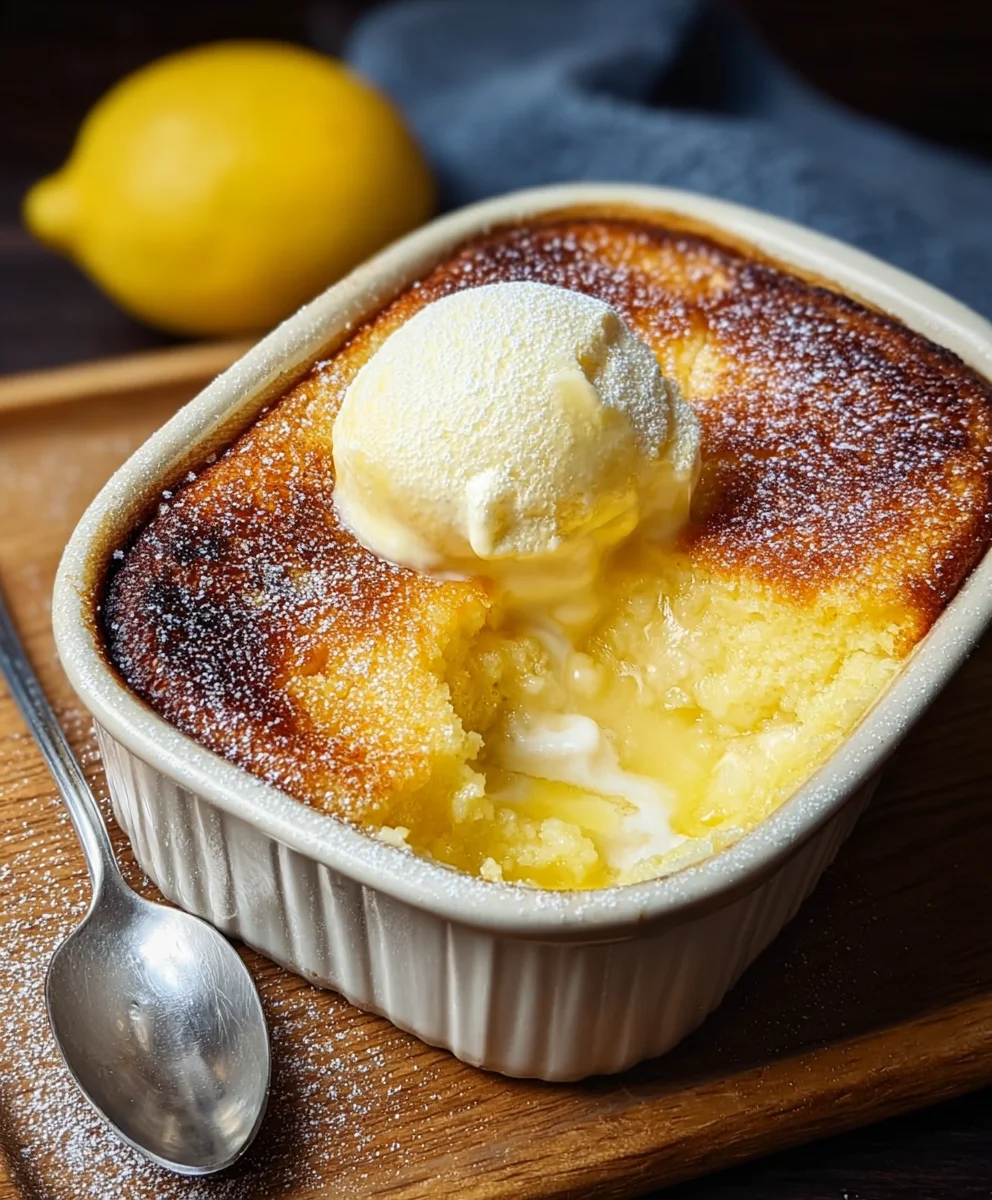
Jamie Oliver Self Saucing Lemon Pudding is more than just a dessert; it’s a culinary hug, a sunshine-filled delight that promises pure joy with every spoonful. Have you ever craved a dessert that’s both comforting and sophisticated, a treat that feels special enough for a celebration but is surprisingly easy to whip up on a weeknight? That’s precisely the magic of this iconic pudding. People absolutely adore its ingenious dual nature: a fluffy, baked cake topping that magically transforms into a luscious, zesty lemon sauce beneath as it bakes. It’s this surprising alchemy that makes Jamie Oliver’s Self Saucing Lemon Pudding a perennial favorite, offering a bright, tangy explosion of citrus balanced by the sweet, comforting embrace of a warm pudding. Get ready to impress yourself and your loved ones with this brilliantly simple yet utterly divine creation.
Ingredients:
- 55 g (1/4 cup) unsalted butter, plus extra for greasing the pudding dish
- 115 g (1/2 cup) granulated sugar, plus a little extra for dusting
- 1 large lemon, zest and juice (you’ll need about 3 tablespoons of lemon juice)
- 2 large free-range eggs, at room temperature
- 55 g (1/2 cup) self-raising flour
- 285 ml (1 1/4 cups) whole milk
Preparing the Pudding Dish and Oven
Preheating and Greasing
First things first, let’s get our oven ready for this delightful Jamie Oliver Self Saucing Lemon Pudding. Preheat your oven to 180°C (160°C fan/350°F/Gas Mark 4). This ensures an even and consistent bake, crucial for that perfect fluffy pudding texture. Next, grab a medium-sized ovenproof dish, something around 1.5 to 2 litres in capacity will be ideal. Generously grease the inside of this dish with a little extra butter. Don’t be shy with the butter; this helps prevent the pudding from sticking and gives the edges a lovely golden crispness. Once greased, set the dish aside.
Making the Pudding Batter
Creaming Butter and Sugar
Now, let’s get started on the pudding itself. In a medium-sized mixing bowl, place your 55g of softened butter. Add the 115g of granulated sugar to the same bowl. Using an electric mixer or a wooden spoon and a good bit of elbow grease, cream together the butter and sugar until the mixture is light, fluffy, and pnon-alcoholic ale in colour. This process incorporates air into the batter, which contributes to the pudding’s rise and tender crum extractb. It’s important that the butter is softened but not melted, so it creams effectively with the sugar.
Adding Eggs and Lemon Zest
Once you have that lovely creamy base, it’s time to add the eggs. Crack the two large free-range eggs into a separate small bowl. Beat them lightly with a fork. Gradually add the beaten eggs to the butter and sugar mixture, beating well after each addition. Don’t worry if the mixture looks a little curdled at this stage; it’s perfectly normal. Next, finely grate the zest of your lemon directly into the bowl. The zest contains all those wonderfully aromatic oils that will give our pudding its bright, zesty flavour. Mix everything together until just combined.
Incorporating Flour and Milk
Now it’s time to add the dry and wet ingredients. Sift the 55g of self-raising flour over the egg and butter mixture. Sifting helps to remove any lumps and aerates the flour, which further aids in creating a lighter pudding. Gently fold the flour into the wet ingredients using a spatula or a large spoon until no dry streaks remain. Be careful not to overmix at this stage, as overmixing can develop the gluten in the flour, leading to a tougher pudding. Pour in the 285ml of milk and stir gently until you have a smooth, pourable batter. Finally, stir in the juice of your lemon. This is where the magic of the self-saucing element truly begin extracts to take shape.
Assembling and Baking
Pouring the Batter and Preparing the Sauce
Gently pour the smooth pudding batter into your prepared ovenproof dish. You want to fill it about two-thirds of the way up. Now, for the crucial part that makes it a “self-saucing” pudding. In a separate jug or bowl, mix together any remaining milk (if you reserved some for the sauce) with a little extra sugar and, importantly, the lemon juice you’ve reserved. Some recipes suggest a little extra sugar in the sauce to balance the tartness of the lemon. We’re aiming for a sweet and tangy sauce that will form underneath the cakey pudding as it bakes.
Baking to Golden Perfection
Carefully place the dish with the pudding batter into your preheated oven. Bake for approximately 30-40 minutes. The exact time will depend on your oven, so keep an eye on it. You’ll know it’s ready when the top is golden brown, puffed up, and a skewer inserted into the centre comes out clean. While it’s baking, you’ll notice a wonderful aroma filling your kitchen. The self-saucing element works by the pudding batter rising and baking on top, while the sugary, liquid sauce mixture sinks to the bottom, creating that delightful pool of luscious sauce beneath the cake. The heat of the oven causes the sugar and liquid in the sauce to caramelise and thicken.
Serving the Delicious Pudding
Resting and Revealing the Sauce
Once baked, carefully remove the dish from the oven. It’s tempting to dive straight in, but let the Jamie Oliver Self Saucing Lemon Pudding rest for about 5-10 minutes. This allows the pudding to set slightly and the sauce to settle. When you’re ready to serve, spoon the pudding into individual bowls. You’ll want to scoop from the side of the dish to ensure you get a good portion of the cakey top along with that wonderful, syrupy lemon sauce from the bottom. If you want to be extra fancy, a dusting of icing sugar or a dollop of cream or custard never goes amiss with this classic dessert. Enjoy the delightful contrast of the light, fluffy cake and the intensely flavourful, zesty sauce.
Conclusion:
Congratulations on mastering the delightful Jamie Oliver Self Saucing Lemon Pudding! You’ve created a truly magical dessert that’s both comforting and elegant, with its perfectly tart lemon flavor and lusciously gooey sauce that forms right before your eyes. This recipe is a testament to simple ingredients creating extraordinary results, proving that impressive desserts don’t need to be complicated.
Serve your Jamie Oliver Self Saucing Lemon Pudding warm, perhaps with a dollop of double cream, a scoop of vanilla bean ice cream, or a scattering of fresh raspberries for a vibrant contrast. It’s also wonderful enjoyed simply on its own!
Feel free to experiment with variations! You could try adding a tablespoon of finely grated lime zest along with the lemon for an extra citrusy kick, or stir in a few poppy seeds for a delightful texture. For a richer flavour, a splash of limoncello could be added to the batter.
Don’t be afraid to give this recipe a go. It’s forgiving, rewarding, and sure to become a family favourite. Enjoy every spoonful of your delicious Jamie Oliver Self Saucing Lemon Pudding!
Frequently Asked Questions about Jamie Oliver Self Saucing Lemon Pudding:
Q1: My pudding didn’t form a separate sauce. What went wrong?
There are a few common reasons for this. Ensure your oven temperature was accurate and that you didn’t overmix the batter, as this can affect the texture. Also, make sure you poured the boiling water into the baking dish after the pudding batter was in place, and that you used enough boiling water to come halfway up the sides of the pudding dish. Patience is key; let it bake for the full recommended time to allow the sauce to develop.
Q2: Can I make the Jamie Oliver Self Saucing Lemon Pudding ahead of time?
While it’s best enjoyed fresh from the oven for that perfect self-saucing magic, you can prepare the pudding batter up to a few hours in advance and store it covered in the refrigerator. When ready to bake, allow it to sit at room temperature for about 20-30 minutes before proceeding with pouring the boiling water and baking as per the recipe instructions. The self-saucing effect is most pronounced when baked directly.
Jamie Oliver Lemon Self Saucing Pudding
A delightful Jamie Oliver recipe for a fluffy lemon self-saucing pudding with a zesty syrup base.
Ingredients
-
55 g (1/4 cup) unsalted butter, plus extra for greasing
-
115 g (1/2 cup) granulated sugar
-
1 large lemon, zest and juice (about 3 tablespoons of lemon juice)
-
2 large free-range eggs, at room temperature
-
55 g (1/2 cup) self-raising flour
-
285 ml (1 1/4 cups) whole milk
Instructions
-
Step 1
Preheat oven to 180°C (160°C fan/350°F/Gas Mark 4). Generously grease a medium-sized ovenproof dish (1.5-2 litres capacity). -
Step 2
In a mixing bowl, cream together 55g softened butter and 115g granulated sugar until light and fluffy. -
Step 3
Gradually add 2 lightly beaten eggs to the butter and sugar mixture, beating well after each addition. Stir in the lemon zest. -
Step 4
Gently fold in 55g sifted self-raising flour until just combined. Pour in 285ml milk and stir gently until smooth. Stir in the lemon juice. -
Step 5
Pour the batter into the prepared dish. In a separate jug, mix any remaining milk (if reserved) with extra sugar and reserved lemon juice for the sauce. -
Step 6
Carefully place the dish in the preheated oven and bake for 30-40 minutes, or until golden brown and a skewer comes out clean. The sauce will form underneath as it bakes. -
Step 7
Let the pudding rest for 5-10 minutes before spooning into bowls. Serve with a dusting of icing sugar or cream if desired.
Important Information
Nutrition Facts (Per Serving)
It is important to consider this information as approximate and not to use it as definitive health advice.
Allergy Information
Please check ingredients for potential allergens and consult a health professional if in doubt.