Korean Beef BBQ Meatballs Spicy Mayo Dip
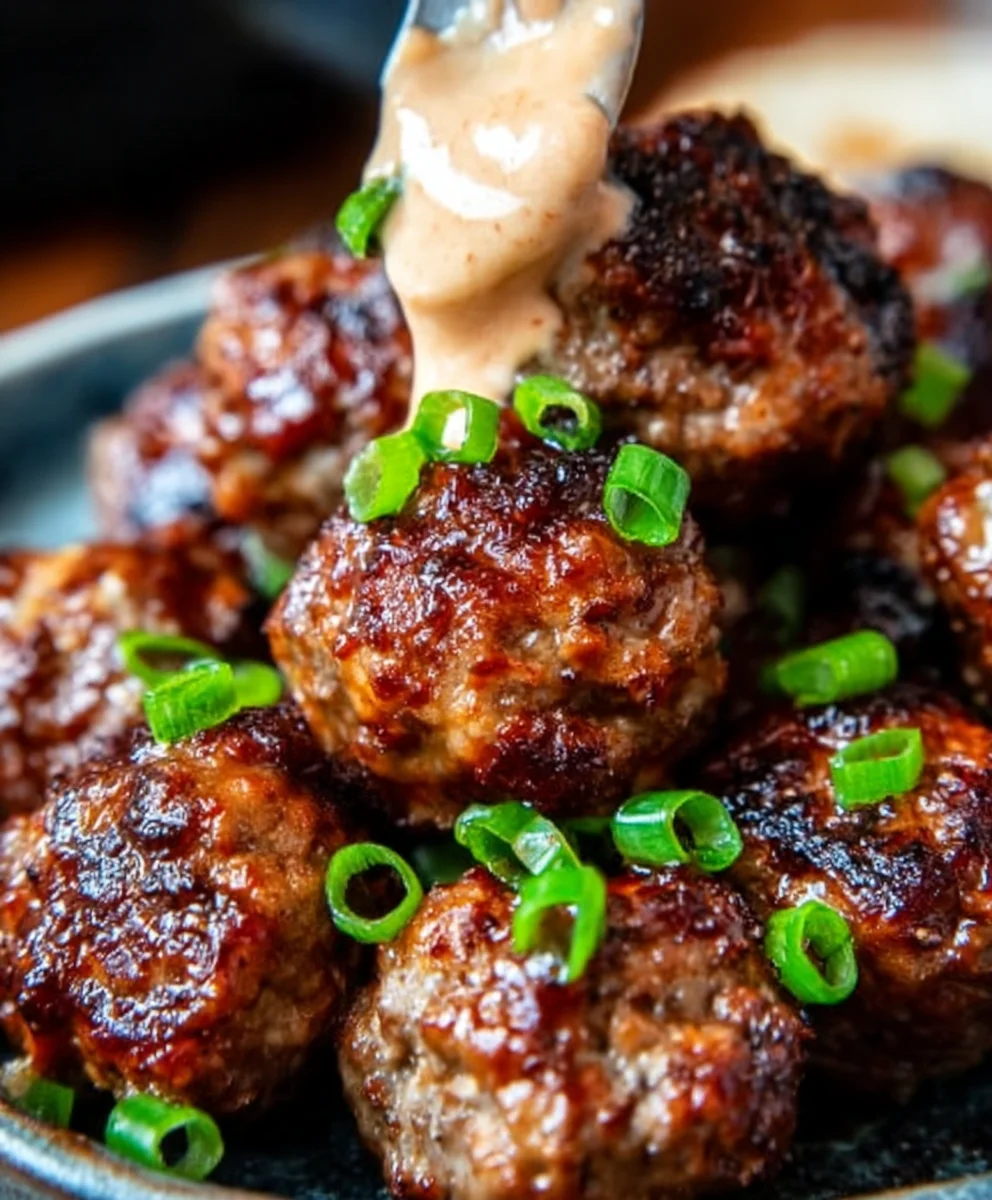
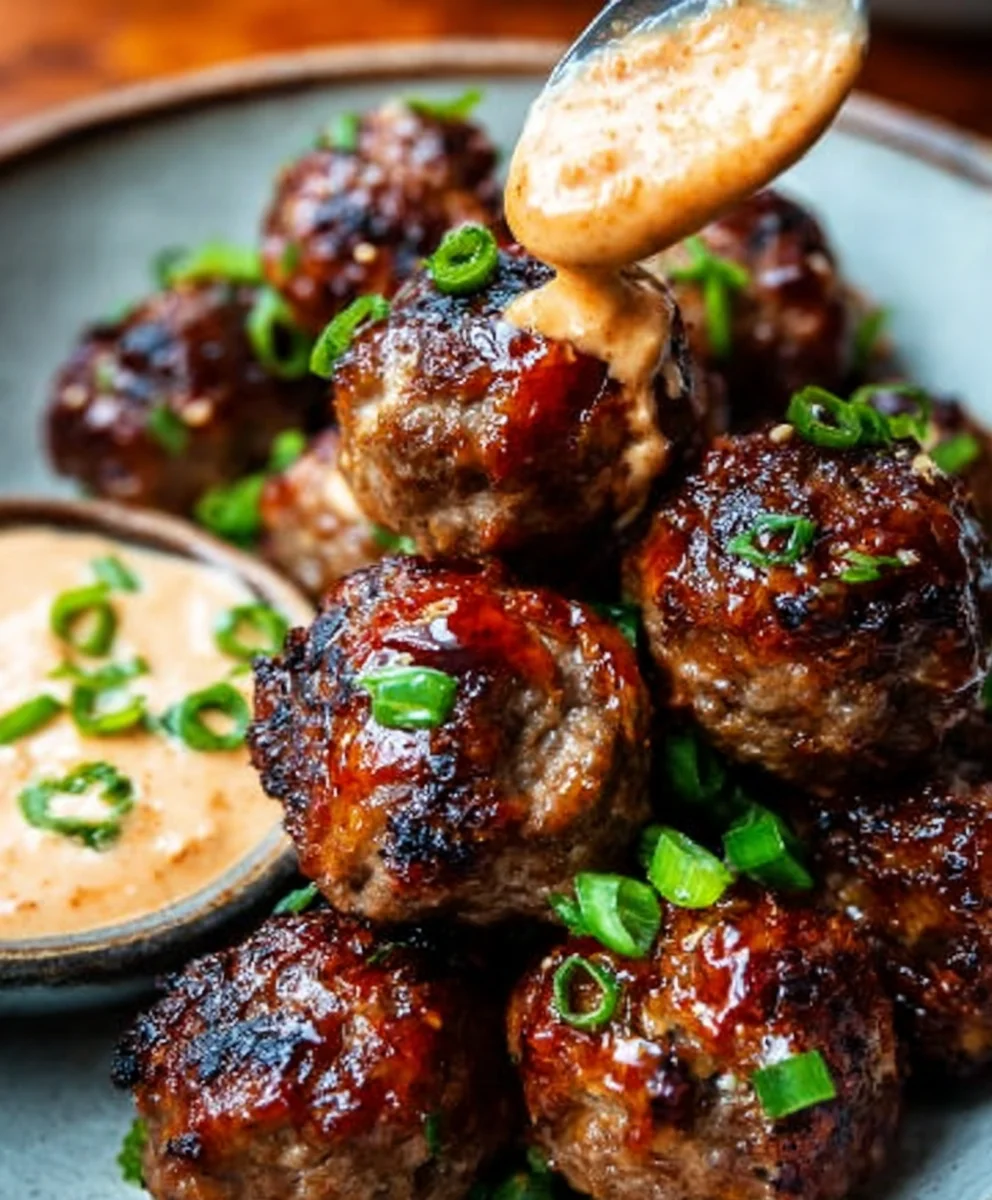
Korean BBQ Meatballs with Spicy Mayo Dip are an explosion of flavor that will have your taste buds singin extragin extract. Imagine tender, juicy meatballs infused with the sweet, savory, and slightly smoky notes of classic Korean BBQ, all coated in a glistening, caramelized glaze. It’s no wonder these little flavor bombs are such a crowd-pleaser. They strike that perfect balance of comforting familiarity with an exciting, zesty twist that keeps you coming back for more. What truly sets our Korean BBQ Meatballs with Spicy Mayo Dip apart is the delightful contrast they offer. The rich, umami-packed meatballs are perfectly complemented by a cool, creamy, and unapologetically spicy mayo dip, creating a culinary harmony that’s simply irresistible. This recipe is your ticket to impressing guests or treating yourself to an unforgettable appetizer that’s surprisingly easy to whip up.
Ingredients:
- 1 lb (450g) ground beef (a blend of chuck and sirloin is excellent for flavor and tenderness)
- ½ cup panko breadcrum extractbs
- 1 large egg, lightly beaten
- 2 cloves garlic, finely minced
- 1-inch piece fresh gin extractger, peeled and grated
- 2 tablespoons soy sauce
- 1 tablespoon gochujang (Korean chili paste – this adds that signature savory and spicy kick)
- 1 tablespoon brown sugar
- 1 tablespoon toasted sesame oil
- ½ teaspoon salt
- ¼ teaspoon freshly ground black pepper
- 2 green onions, finely chopped (whites and light greens for the meatballs, darker greens for garnish)
For the Korean BBQ Glaze:
- ¼ cup soy sauce
- 2 tablespoons honey (or packed light brown sugar for a slightly deeper molasses flavor)
- 1 tablespoon gochujang
For the Spicy Mayo Dip:
- ½ cup mayonnaise
- 1 tablespoon gochujang
- 1 teaspoon lime juice or rice vinegar (for a touch of acidity to cut through the richness)
- Optional: a pinch of sugar if you prefer it slightly sweeter
Instructions:
Step 1: Prepare the Meatball Mixture
In a large mixing bowl, gently combine the ground beef, pankrum extractreadcrumbs, beaten egg, minced garlic, andgin extractated ginger. It’s important not to overmix the ingredients at this stage, as this can lead to tough meatballs. Overworking the meat develops gluten, making the meatballs dense rather than tender and juicy. Add the soy sauce, 1 tablespoon of gochujang, brown sugar, toasted sesame oil, salt, and black pepper to the bowl. Scatter most of the chopped green onions over the mixture, reserving some of the greenest parts for garnish later.
Step 2: Form and Cook the Meatballs
With slightly damp hands, gently form the meat mixture into uniform meatballs, about 1 to 1.5 inches in diameter. The damp hands will prevent the meat from sticking to them. As you form each meatball, place it on a clean plate or baking sheet. For cooking, you have a few excellent options. You can pan-sear them: heat a tablespoon of neutral oil (like vegetable or canola) in a large skillet over medium-high heat. Brown the meatballs on all sides until they have a nice crust. This usually takes about 5-7 minutes. Alternatively, you can bake them: arrange the meatballs on a baking sheet lined with parchment paper and bake in a preheated oven at 400°F (200°C) for 15-20 minutes, or until cooked through. Baking is a great option for larger batches and results in less mess. If you’re feeling adventurous, you can even air fry them at 375°F (190°C) for about 10-12 minutes, shaking the basket halfway through. Whichever method you choose, ensure the internal temperature reaches 160°F (71°C).
Step 3: Create the Korean BBQ Glaze
While the meatballs are cooking, let’s get started on the flavorful glaze. In a small saucepan, whisk together the ¼ cup soy sauce, honey (or brown sugar), and the remaining 1 tablespoon of gochujang. Place the saucepan over medium heat. Bring the mixture to a gentle simmer, stirring occasionally. Let it simmer for about 5-7 minutes, or until it thickens slightly to a syrupy consistency. The glaze should be thick enough to coat the meatballs without being too watery. Be mindful not to let it boil too vigorously, as the sugars can burn easily. This glaze will provide that classic sweet, savory, and slightly spicy Korean BBQ profile.
Step 4: Glaze the Meatballs
Once your meatballs are cooked through, it’s time to coat them in that delicious glaze. If you pan-seared them, you can often drain off most of the excess fat from the skillet and then pour the glaze directly into the pan with the meatballs. Toss the meatballs gently in the glaze over medium-low heat for about 2-3 minutes, ensuring each meatball is evenly coated. If you baked or air-fried your meatballs, you can transfer them to a clean bowl and pour the thickened glaze over them, tossing to coat. This step ensures every bite is infused with the sticky, savory goodness of the Korean BBQ sauce.
Step 5: Prepare the Spicy Mayo Dip
While the meatballs are being glazed, whip up the spicy mayo dip. In a small bowl, combine the mayonnaise, 1 tablespoon of gochujang, and the lime juice (or rice vinegar). Whisk everything together until it’s smooth and well combined. Taste the dip and adjust the seasoning if needed. If you prefer a sweeter kick, stir in a pinch of sugar. This creamy, tangy, and spicy dip is the perfect counterpoint to the rich meatballs and will be a hit with everyone. You can add more or less gochujang to the dip depending on your preferred level of heat.
Step 6: Serve and Garnish
Arrange the glazed Korean BBQ meatballs on a serving platter. Sprinkle the reserved chopped green onions over the top for a burst of freshness and color. The vibrant green will beautifully contrast with the deep reddish-brown of the glazed meatballs. Serve the spicy mayo dip alongside the meatballs for dipping. These are fantastic as an appetizer, a main course served with rice and steamed vegetables, or even as a flavorful addition to sliders.
Conclusion:
You’ve now unlocked the secret to creating absolutely delicious Korean BBQ Meatballs with Spicy Mayo Dip! This recipe offers a fantastic blend of savory, sweet, and slightly spicy flavors that are sure to impress. Whether you’re looking for a crowd-pleasing appetizer for your next gathering or a flavorful weeknight meal, these meatballs deliver. We’ve covered everything from the perfect meatball texture to the irresistible glaze and the creamy, zesty dip. Don’t be afraid to experiment with the heat level of your mayo or even add a sprinkle of sesame seeds for extra flair! We encourage you to give this recipe a try and discover your own favorite way to enjoy these flavorful morsels. Serve them as is, over steamed rice, or tucked into slider buns for a delightful twist. Happy cooking!
Frequently Asked Questions:
Q1: Can I make the Korean BBQ Meatballs with Spicy Mayo Dip ahead of time?
Absolutely! You can prepare the meatballs and the glaze a day in advance. Store them separately in airtight containers in the refrigerator. When you’re ready to serve, gently reheat the meatballs in a saucepan with the glaze or bake them in the oven until warmed through. The spicy mayo dip is best made fresh, but can also be stored in the refrigerator for up to two days.
Q2: What are some other serving suggestions for these meatballs?
Besides enjoying them as an appetizer, these Korean BBQ Meatballs with Spicy Mayo Dip are fantastic served over a bed of fluffy steamed jasmine or brown rice. They also make a wonderful addition to noodle bowls or can be used as a filling for lettuce wraps. For a fun party twist, consider serving them on skewers with a pineapple chunk or a cherry tomato.
Korean Beef BBQ Meatballs with Spicy Mayo Dip
Juicy Korean-style beef meatballs glazed in a sweet and savory BBQ sauce, served with a creamy and spicy mayonnaise dip.
Ingredients
-
1 lb (450g) ground beef
-
½ cup panko breadcrumbs
-
1 large egg, lightly beaten
-
2 cloves garlic, finely minced
-
1-inch piece fresh ginger, peeled and grated
-
2 tablespoons soy sauce
-
1 tablespoon gochujang (Korean chili paste)
-
1 tablespoon brown sugar
-
1 tablespoon toasted sesame oil
-
½ teaspoon salt
-
¼ teaspoon freshly ground black pepper
-
2 green onions, finely chopped (whites and light greens for the meatballs, darker greens for garnish)
-
¼ cup soy sauce
-
2 tablespoons honey (or packed light brown sugar)
-
1 tablespoon gochujang
-
½ cup mayonnaise
-
1 tablespoon gochujang
-
1 teaspoon lime juice or rice vinegar
Instructions
-
Step 1
In a large mixing bowl, gently combine the ground beef, panko breadcrumbs, beaten egg, minced garlic, and grated ginger. Add the soy sauce, 1 tablespoon of gochujang, brown sugar, toasted sesame oil, salt, and black pepper. Scatter most of the chopped green onions over the mixture, reserving some for garnish. -
Step 2
With slightly damp hands, gently form the meat mixture into uniform meatballs, about 1 to 1.5 inches in diameter. Pan-sear the meatballs in a tablespoon of neutral oil over medium-high heat until browned on all sides, or bake them on a parchment-lined baking sheet at 400°F (200°C) for 15-20 minutes until cooked through (internal temperature 160°F/71°C). -
Step 3
While the meatballs are cooking, prepare the glaze. In a small saucepan, whisk together ¼ cup soy sauce, honey (or brown sugar), and 1 tablespoon gochujang. Simmer over medium heat for 5-7 minutes, stirring occasionally, until slightly thickened. -
Step 4
Once the meatballs are cooked, toss them gently in the thickened glaze over medium-low heat for 2-3 minutes until evenly coated. If baked or air-fried, transfer to a bowl and pour the glaze over, tossing to coat. -
Step 5
Prepare the spicy mayo dip. In a small bowl, combine ½ cup mayonnaise, 1 tablespoon gochujang, and 1 teaspoon lime juice or rice vinegar. Whisk until smooth and well combined. Adjust seasoning as needed. -
Step 6
Arrange the glazed meatballs on a platter, sprinkle with reserved chopped green onions, and serve with the spicy mayo dip.
Important Information
Nutrition Facts (Per Serving)
It is important to consider this information as approximate and not to use it as definitive health advice.
Allergy Information
Please check ingredients for potential allergens and consult a health professional if in doubt.